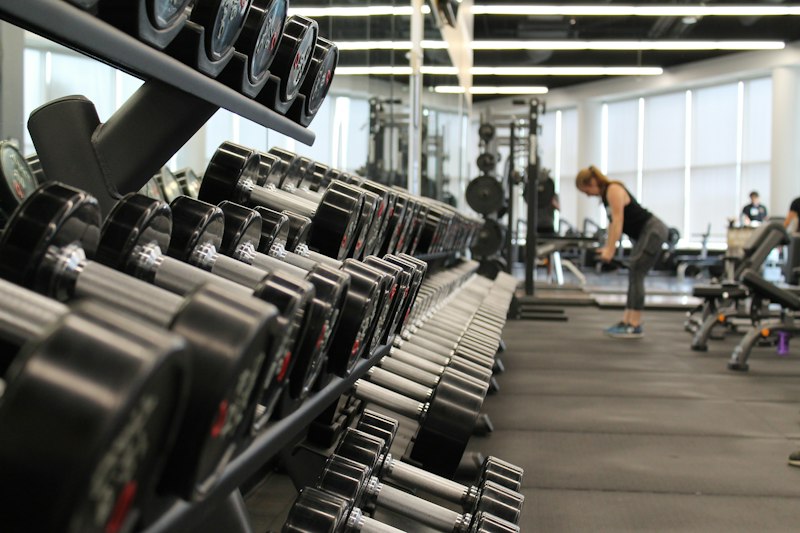
Why Compound Movements Matter
If you want to build real, functional strength that translates to everyday life and athletic performance, compound movements are non-negotiable. These exercises work multiple muscle groups simultaneously, trigger greater hormonal responses, and burn more calories than any isolation exercise ever could.
1. The Barbell Back Squat
Often called the king of all exercises, the barbell back squat targets your quads, glutes, hamstrings, and core. A proper squat requires mobility, stability, and mental fortitude. Start with bodyweight squats, progress to goblet squats, and then load up the barbell.
Pro tip: Focus on depth. Aim for parallel or below. Half squats give half results.
2. The Conventional Deadlift
Nothing builds raw posterior chain strength like the deadlift. From your grip to your traps, lats, erectors, glutes, and hamstrings — every muscle fires. The deadlift teaches you to brace, hinge, and pull with purpose.
3. The Overhead Press
A standing overhead press builds boulder shoulders and a rock-solid core. Unlike the bench press, the OHP requires total body stabilization. It is the true test of upper body pressing strength.
4. The Barbell Row
A thick, muscular back is built with heavy rows. The barbell row hits your lats, rhomboids, rear delts, and biceps. It also reinforces the hip hinge pattern and strengthens your lower back isometrically.
5. The Bench Press
The bench press remains the gold standard for chest development. But beyond aesthetics, a strong press translates to pushing power in sports and daily life. Focus on proper arch, retracted shoulder blades, and controlled tempo.
Programming These Movements
Include at least one of these movements in every training session. A simple 3-day full body split rotating these lifts with progressive overload will produce incredible results over 12 weeks. Trust the process.
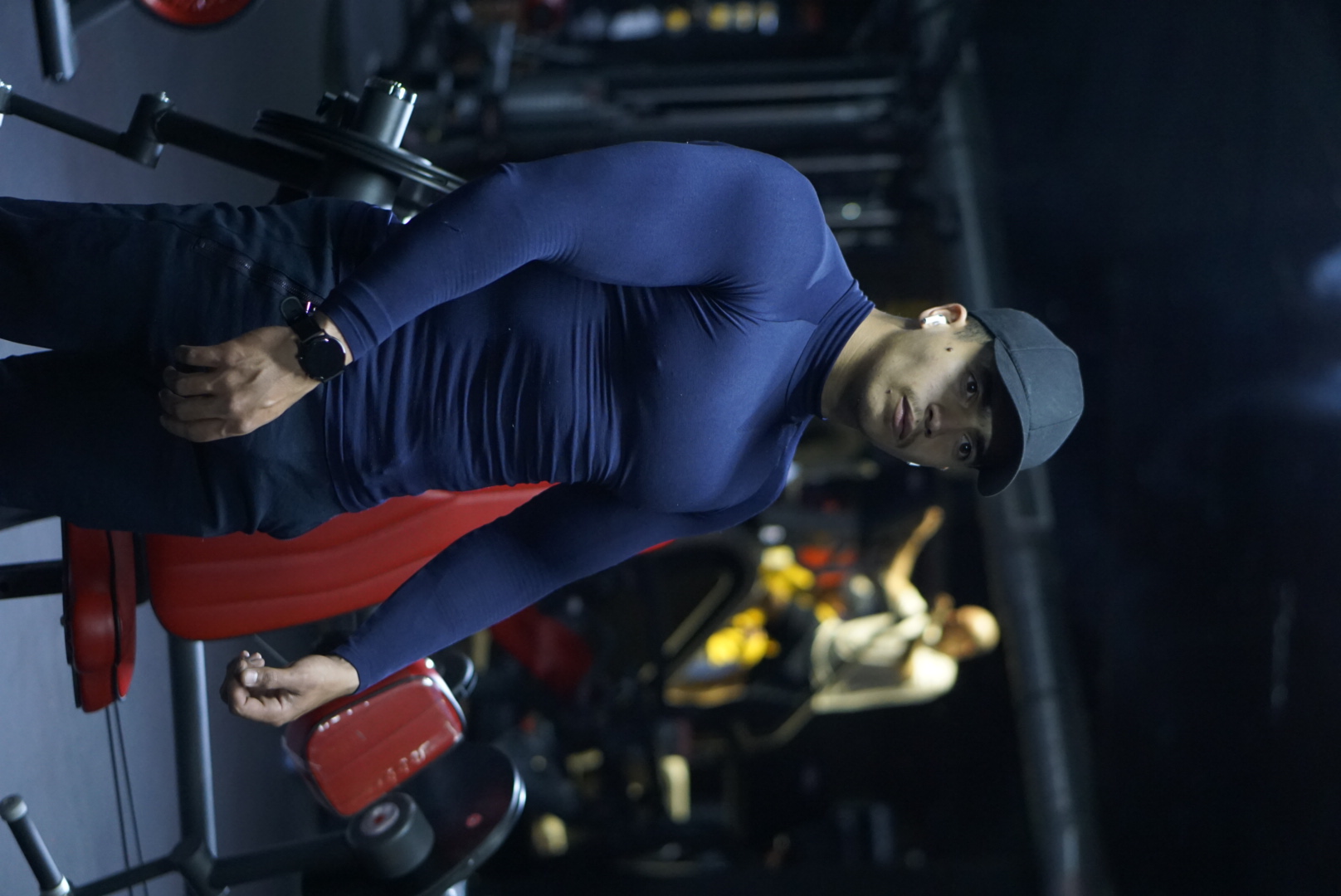
Avec plus de 8 ans d'expérience dans l'entraînement personnel et le coaching fitness, j'ai consacré ma vie à aider les gens à transformer leur corps et leur esprit. Mon approche combine des méthodes d'entraînement basées sur la science avec des stratégies de nutrition personnalisées.